

Thank you for Subscribing to Real Estate Business Review Weekly Brief
Real Estate Business Review: Specials Magazine
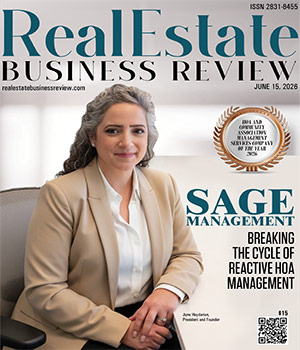
Sage Management
Breaking the Cycle of Reactive HOA Management
What operational issues commonly undermine long-term effectiveness in community association management environments? Sage Management approaches community association management by first understanding the specific challenges each community faces before implementing structured solutions. Under the leadership of president and founder June Heydarian, the company has built its model around a simple principle: understand first, set clear expectations, and execute consistently. The story of Sage Management is closely tied to Heydarian’s own journey through the industry. With nearly three decades of experience spanning accounting, operations, and leadership roles, she has witnessed the patterns that define both success and failure in community management. What emerges from that experience is not a rejection of process but a recognition that process must be supported by communication, consistency, and practical execution. Communities do not break down because rules are absent. They break down when those rules are applied without context, without communication, and without follow-through. This understanding shapes how Sage Management approaches every new engagement, grounding its work in a model that balances service, accountability, and operational discipline. Often, when a community seeks a new management partner, the instinct in the industry is often to present capabilities, outline services, and move quickly toward onboarding. Sage Management takes a different route. The first step is not to prescribe but to understand. Conversations begin with questions about what has not worked, where trust has eroded, and which expectations remain unmet. In many cases, the issues are layered. Management may have been inconsistent, but board leadership may also have lacked direction or clarity. Residents may feel unheard, yet the systems in place may never have been designed to accommodate their concerns. How does structured communication support long-term operational consistency within homeowner association communities today? Creating a Foundation for Consistent Execution Rather than simplifying these challenges, Sage Management works through them methodically. The company approaches each community as a distinct environment shaped by its own history, governance, and operational realities. This perspective avoids applying uniform solutions and focuses instead on practical improvements that can be sustained over time. It also requires honesty. Not every community is the right fit, and Sage Management does not hesitate to acknowledge that. The goal is not to secure every contract but to build partnerships that can support long-term progress. That emphasis on partnership is central to the company’s identity. Sage Management does not frame its role as simply completing tasks on behalf of a board. Instead, it works alongside board members to help navigate the realities of community governance. This shifts the relationship from instruction to shared responsibility and helps create stronger alignment between management and leadership. Setting expectations early is a critical part of that process. Communities are told clearly that improvement takes time. Issues that have developed over years cannot be resolved in weeks. Financial inconsistencies, deferred maintenance, and communication breakdowns all require sustained attention. “By establishing the understanding from outset, we are able to reduce misalignment and create a stronger foundation for execution,” says Heydarian. Why is balancing technology efficiency with human interaction important in HOA management services? Committed to Customer-Centered Service At the same time, the company recognizes that expectations in the industry are changing. Homeowners today expect faster responses, easier access to information, and systems that reflect the convenience they experience in other parts of their lives. This creates pressure on management companies to improve speed and efficiency without sacrificing service quality. Sage Management has addressed this challenge through deliberate investment in technology. The company has implemented integrated platforms, online portals, and artificial intelligence tools designed to streamline communication and handle routine inquiries. These systems allow homeowners to access account information, submit requests, and receive responses without unnecessary delays. In an industry where delays are a common source of frustration, this creates meaningful operational improvement.
Building Maintenance Services
What operational risks emerge when commercial property maintenance remains fragmented across multiple vendors today? Spectrum Maintenance Services (SMS) makes maintenance a core operational function that directly influences commercial asset performance. While commercial real estate and property management have evolved into highly sophisticated, institutional systems, maintenance services have remained fragmented. They are often handled by local vendors who can enter the service market with minimal expertise. This leads to inconsistent service quality, misaligned expectations and reactive approaches that increase operational risk. SMS addresses this imbalance through a proactive, on-the-ground maintenance model that identifies issues early and supports predictable property performance. It is shaped from within property management and strengthened by leadership experience across both the operational and investment sides of real estate. “We believe professional property maintenance services are the indispensable third leg of the stool that helps keep properties operating at peak performance,” says Jon Barry, founder. That philosophy is closely tied to the company’s history. SMS was established in the late 1990s as the maintenance division of Jon Barry’s property management company, creating a direct connection between maintenance execution and commercial real estate operations. Barry’s long-standing background in commercial real estate ownership, brokerage and property management was complemented by Ryan Wagner’s decades of experience across commercial and residential maintenance. Michelle Wagner later strengthened the company’s client service operations after transitioning from the self-storage industry. Together, they built a service model centered on responsiveness, operational awareness and long-term client support. That environment also shaped the next generation of leadership. Growing up around the business, Kaitlin Wagner developed a first-hand understanding of the day-to-day pressures property managers face. In her role today as SVP of Business Development, she brings that operational insight into the business, aligning maintenance decisions with the realities of property operations and tenant expectations. From Reactive Tasks to Proactive Oversight How does proactive maintenance oversight help reduce operational disruptions across commercial property portfolios today? This operating approach shifts maintenance from a reactive function to a more proactive one across the company. Rather than limiting technicians’ roles to completing assigned work orders, they are trained to look beyond immediate tasks, identifying risks that may not be visible at first glance.

Building Maintenance Services
Real Estate Advisory and Consulting Services
CTRL + ALT + BUILD: Rebooting Real Estate with Tech
Allan Ragsdale, Property Manager, Mission Rock Residential, LLC
Real Estate Investment Services

Navigating the Landscape of Retail Project Management: Strategies for Success
T.J. McKeever, Senior Project Manager, Brixmor Property Group
Commercial Property Management

Transforming Challenges into Opportunities: My Real Estate Journey with Holt Group and CPKS
Kalinka Ivanova, RPA, CCIM, MBA, Vice President Real Estate Development, HOLT Group

How Culture and Operations Drive Customer Experience (Cx)
Bradly J. Sax, Customer Strategy & Experience, Vice President, Centinel Public Partnerships (Formerly Lendlease)

IN MY OPINION
Urban Planning and Design
Shaping Healthcare Real Estate with People, Data and Integrity
Terri Hudson, System Director of Property Management and Workplace Experience - Supporting CommonSpirit Health, CBRE

LAST WORD
HOA Management
From the Ground Up: A Journey in Property Management
Chad Johnson, Regional Vice President of Property Management, Kimco Realty Corporation [NYSE: KIM]
IN FOCUS

Maintaining Value and Efficiency with Commercial Property Maintenance Services
Commercial property maintenance services enhance asset value, ensure operational efficiency, and improve tenant satisfaction through proactive, technology-driven facility management strategies.

Building Stronger Communities: The Evolving Role of HOA Management Firms
HOA management firms are evolving through rising resident expectations, operational pressures, and technology integration, driving stronger community engagement and strategic service delivery.
EDITORIAL
Building Stronger Communities through Operational Excellence
Real estate continues to evolve as property owners, managers and investors navigate rising expectations around efficiency, tenant experience and long-term asset performance. In this edition of Real Estate Business Review, we explore how industry leaders are moving beyond reactive management models and embracing strategies built on accountability, technology and operational discipline.
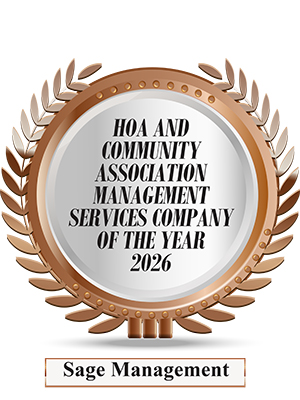
Sage Management, which is named as the HOA and Community Association Management Services Company of the Year 2026, perfectly captures the essence of this paradigm shift. With June Heydarian at its helm, this company has successfully developed a community management approach based on identifying the problems and then providing solutions for these problems after setting expectations and implementing them effectively. The dedication to community service, education and transparency of operations has led to better governance practices, fewer delinquent rates and ultimately more trust among residents in their respective communities.
Also featured in this issue is Spectrum Maintenance Services, recognized as the Top Commercial Property Maintenance Services 2026. The company provides commercial property maintenance through proactive oversight, facility management programs and preventive maintenance strategies. Its services help property owners manage operations, maintain assets and support property performance.
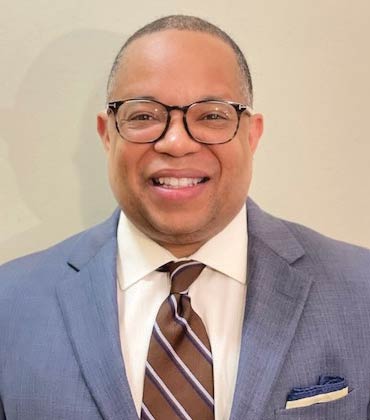
This edition also features valuable perspectives from industry leaders. Chad Johnson, Regional Vice President of Property Management at Kimco Realty Corporation, reflects on the importance of gaining experience across every level of property operations and how that perspective shapes effective leadership. T.J. McKeever, Senior Project Manager at Brixmor Property Group, shares practical insights on retail project management, technology adoption, risk mitigation and the growing role of digital tools in infrastructure development.
Together, these stories highlight a common truth that success in real estate is built on persistence, adaptability and continuous improvement. We would like to invite our readers to delve into this issue to see how today's successful real estate professionals are making improvements for tomorrow.
