

Thank you for Subscribing to Real Estate Business Review Weekly Brief

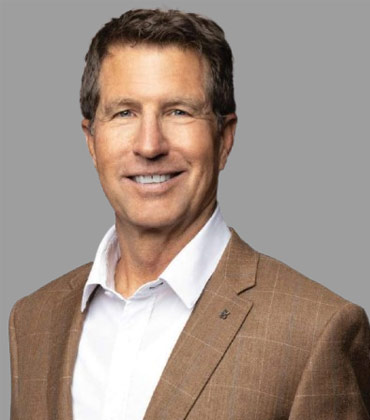 Raymond Gray, Founding Partner
During a five day Texas jury trial in June, Raymond Gray, founding partner of Gray Winston, challenged the taxable value of an aging wind farm assessed at $159 million for one year and $139 million for the next. He argued the district’s valuations improperly included non taxable intangible business value under Texas law. The jury returned the verdict, reducing the assessments to $47 million and $37 million and awarding a $4 million refund, $650,000 in interest and the maximum attorney’s fee of $200,000.
“We felt strongly about our position and stuck to our guns,” says Gray. “We prepare as though we’re going to trial and it gives us the leverage to reach the settlement and valuation that is most fair for our client.”
It’s a conviction forged over years of advocacy on both sides of property tax disputes. Before representing property owners beginning in 1999, Gray represented appraisal districts and taxing units, giving him a clear view of how each side evaluates value, fairness and litigation risk.
Independent Valuation, Not Negotiated Numbers
Although property tax litigation centers on valuation, Gray Winston builds its own independent assessment of every matter. The firm conducts a full valuation workup, giving its lawyers a defensible basis for advice rather than relaying numbers between parties.
Independence is essential because most engagements are on a contingency-fee basis. The firm shares economic risk with its clients, so each case rests on credible valuation analysis and a realistic potential outcome. That review determines whether a claim warrants filing and provides clients with candid guidance, even when it differs from their expectations.
When analysis supports a claim that a property is overvalued or an owner received unfair treatment, Gray Winston prepares to carry the matter through trial regardless of size.
Matching Expertise to the Asset
Different assets—resorts, universities, manufacturing facilities, wind farms and power plants—present distinct valuation challenges. Gray treats collaboration as a strength and draws on specialized expertise when needed.
We felt very strongly about our position and stuck to our guns. We prepare as though we’re going to trial and that gives us the leverage to reach the settlement and valuation that is most fair for our client.
These relationships help Gray Winston identify strong valuation approaches, credible expert witnesses and potential weaknesses in opposing testimony before a case reaches court.
Advice Before Advocacy
Gray Winston is selective about the relationships it takes on, because effective representation depends on shared expectations and defensible advice.
Gray rejects the idea that client service means automatic agreement. His responsibility is to explain what the evidence supports, not confirm what a client hopes to hear. Such consistency has built long standing relationships in which clients rely on his judgment about whether to file, settle or proceed.
Financial results matter, but Gray measures success by more than the verdict. During the wind-farm trial, the client told the team, before the jury returned its decision, that there was nothing they would have handled differently. That level of confidence in the firm’s preparation and judgment carries as much weight for Gray as the outcome. Repeat engagements and referrals reinforce that trust.
Growth Through Service
During the wind farm trial, Gray entrusted partner Lee Winston, co-managing partner Tracy Turner and legal assistant Hayden with meaningful responsibility. The presiding judge praised him for training and trusting a developing team rather than reserving the lead role for himself.
Gray Winston describes its ethos as ‘growth through service.’ Team members serve clients, colleagues, families and communities and measure ambition against their own past work rather than against one another. That combination of independent judgment, trial readiness and service led leadership earned Gray Winston recognition as Top Property Tax Law Firm 2026.
