

Thank you for Subscribing to Real Estate Business Review Weekly Brief

3 Pillar Homes
Rachael Durant, Vice President of Sales, Marketing and Design
Developing High-Performing Teams through Effective Leadership
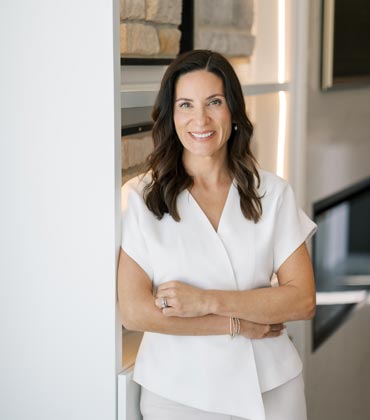
Rachael Durant
At 3 Pillar Homes, I've always believed that building a successful company starts with building a great team. We can build beautiful homes and offer an exceptional product, but at the end of the day, it's our people who make the difference.
For me, leadership is really about creating an environment where people feel supported, have the tools they need to be successful and are motivated to continue getting better at what they do. I don't believe in micromanaging. I believe in giving people the knowledge and confidence to make decisions, take ownership of their roles and grow professionally.
One of the things we really focus on at 3 Pillar Homes is continued education. Our industry is constantly evolving, whether it's changing market conditions, new products, construction costs or even how customers approach the homebuying process. We have to continue learning and adapting.
I want our team to feel comfortable asking questions, sharing ideas and even challenging how we've done things in the past. Just because something has always been done a certain way doesn't mean it's necessarily the best way to do it today. I think some of our greatest improvements come from being open to new ideas and learning from one another.
Putting Pricing Answers in Sales Hands
A great example of this is how we've worked to empower our sales team. In homebuilding, it's pretty common for salespeople to have to go back to purchasing or management every time a customer asks about pricing for a particular option or upgrade. That can slow down the process and, quite frankly, become frustrating for both the salesperson and the customer.
We've made a real effort to put more pricing information directly into the hands of our sales team. We want them to be able to sit across from a customer, confidently discuss options and provide answers without having to constantly wait on someone else.
It's really about giving people the tools to do their jobs well. And when you do that, you not only build confidence within your team, but you also create a much better experience for your customers.
Making Coaching a Continuous Practice
Another big focus for us is coaching and continuous improvement. We recently incorporated Sales Ask into our sales process as a way to better evaluate customer conversations and identify coaching opportunities.
It's difficult to expect people to work toward the same goals if they don't understand what those goals are or why they're important.
I think sometimes people hear the word "coaching" and assume it means someone is doing something wrong. That's not how I look at it at all. Even your strongest salespeople have opportunities to improve. Sales Ask gives us another perspective on how we're communicating, the questions we're asking and where we might be missing opportunities to better connect with our customers.
We also have weekly group sales meetings, along with individual one-on-one meetings. I think both are incredibly valuable, but for different reasons.
Our group meetings are a chance to get everyone together, talk about what's happening in the business, share successes, work through challenges and learn from each other. I love when one salesperson shares something that's working well and someone else can take that idea and apply it to their own approach.
The one-on-one meetings are a little different. They give me an opportunity to really connect with each person, understand what challenges they may be facing, discuss their goals and determine how I can better support them. Not everyone needs the same type of leadership and I think recognizing that is important.
Connecting Every Role to the Vision
One thing I feel very strongly about is making sure everyone understands the vision of the company. It's difficult to expect people to work toward the same goals if they don't understand what those goals are or why they're important.
I try to be very intentional about sharing where we're headed as a company, what we're trying to accomplish and how each person's role contributes to our overall success. When people understand the bigger picture, I think they naturally become more invested.
And that really comes back to communication. I believe in being clear, thoughtful and transparent, even when the conversations aren't necessarily easy. People want to know where they stand, what's expected of them and that their opinions matter. It's equally important to listen as it is to communicate.
At the end of the day, I don't think building a high-performing team is about one big initiative or a particular management style. It's about the little things we do consistently, communicating, coaching, sharing knowledge, recognizing accomplishments and holding ourselves accountable.
We're certainly not perfect and we're always looking for ways to improve. But that's really the culture we want at 3 Pillar Homes. A team that supports one another, takes pride in what we do and genuinely wants to keep getting better.
Because when our people are successful, our company is successful. And ultimately, our homeowners are the ones who benefit.
The articles from these contributors are based on their personal expertise and viewpoints, and do not necessarily reflect the opinions of their employers or affiliated organizations.
