

Thank you for Subscribing to Real Estate Business Review Weekly Brief

ONE Sotheby's International Realty
Mark Hickman, Director of Digital Strategy
The New Digital Playbook in Real Estate Engagement
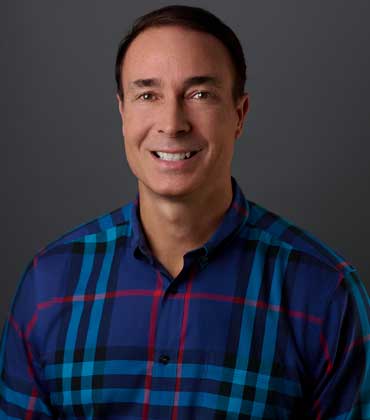
Mark Hickman
From Instagram reels to Google rankings, today’s real estate brokerages and agents are winning buyers (and sellers) through multi-channel digital strategies.
In today’s competitive real estate market, visibility isn’t just a matter of location—it’s about seizing a digital presence. As buyers increasingly turn to the internet to research (over 90%), discover, and emotionally connect with properties before ever stepping inside, agents and developers must embrace a multi-channel strategy to stay relevant. Three key digital levers are proving to be especially impactful: social media, influencer partnerships, and Google Search.
Social Media: The New Open House
Social media has evolved from a branding tool to a powerful real estate engagement driver. Platforms like Instagram, Facebook, and TikTok allow agents and developers to showcase properties in dynamic, visual formats—from professionally produced videos to authentic, behind-the-scenes tours. These platforms directly reach target audiences and spark interest through lifestyle storytelling, not just specs and square footage.
Live walkthroughs, drone footage, and interactive Q&As are increasingly replacing traditional open houses. Engagement metrics like shares, saves, and comments serve as real-time feedback loops, helping marketers refine their messaging and gauge demand. Social media also plays a crucial role in retargeting website visitors and nurturing warm leads who may have browsed but not yet inquired.
Influencers: The New Tastemakers in Real Estate
Influencers—especially those focused on luxury, travel, design, or local lifestyle—are becoming vital partners in shaping perceptions and accelerating decisions. Their followers trust their opinions, and a single post from a well-matched influencer can put a property in front of tens of thousands of highly engaged, qualified prospects.
More than just visibility, influencers add a layer of social proof. When a respected voice in a buyer’s niche recommends a building or a neighborhood, it creates emotional resonance and perceived exclusivity. This is particularly impactful with younger affluent buyers and international investors, who may rely on influencers to help them navigate unfamiliar markets.
Google Search: The Digital First Impression
While social media may introduce a buyer to a property, Google is often where serious interest is validated—and where intent turns into action. Whether someone types in “condos in Edgewater Miami” or “pet-friendly apartments in Brickell,” showing up in those results is critical.
That’s why search engine optimization (SEO) and paid search (PPC) campaigns are essential to any digital marketing strategy. High search visibility ensures that your property gets in front of buyers actively looking for real estate, not just scrolling. A well-optimized Google Business Profile, thoughtful keyword targeting, and structured content (including blog posts, landing pages, and FAQs) can dramatically improve lead volume and quality.
Moreover, Google’s algorithm rewards localized relevance, mobile-friendliness, and strong website performance, making a solid digital foundation non-negotiable for any serious brokerage, developer or agent.
Today’s buyer journey is no longer linear—it’s a fluid mix of inspiration, research, and social validation happening across multiple platforms, what we call a “full funnel” in the marketing business. The synergy between social media storytelling, influencer credibility, and Google’s search authority creates a powerful trifecta for real estate marketing. Brands that can master these channels not only stay visible but also build trust, generate qualified leads, and ultimately close more deals.
The articles from these contributors are based on their personal expertise and viewpoints, and do not necessarily reflect the opinions of their employers or affiliated organizations.
