
Thank you for Subscribing to Real Estate Business Review Weekly Brief
Real Estate Business Review: Specials Magazine
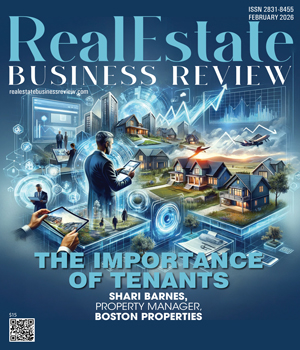
Shari Barnes is a highly experienced Certified Property Manager with over 15 years of expertise in managing commercial properties. Currently overseeing 500,000 square feet of office space at Boston Properties, Barnes excels in property operations, lease administration, budget management and tenant relations. Known for consistently reducing expenses and generating revenue, Barnes has a strong track record of developing and maintaining solid tenant relationships. Through this article, Barnes emphasizes the importance of building strong relationships with tenants in property management and highlights the role of effective communication, problem-solving, and empathy in addressing tenant needs and ensuring their satisfaction. When I first began my career in property management at the age of 19 years old, I had no idea that it would change my life and spearhead my career. I began with a real estate management firm in the downtown Washington, D.C., area as a service request dispatcher. I was the first line of defense between the tenants and owners. This first position within property management helped me develop relationships with tenants, maintenance and environmental staff. You learned about the tenants and the companies they worked for, as well as developing close relationships with the building staff who worked there to ensure tenants lease obligations were met. I stayed in the role for just about 7 years, and it laid the foundation for my understanding within the commercial real estate field.
Top Property Management Services 2026
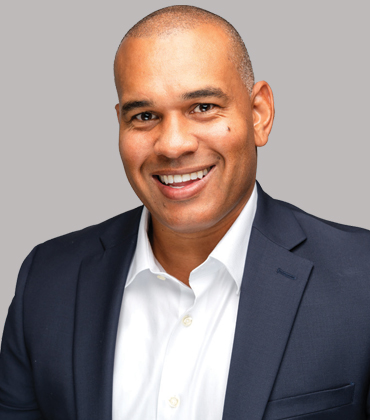
For many rental property owners, self-management works until an overlooked detail creates consequences. Missed inspections, outdated notices, gaps in legal compliance or unreliable vendors can quickly become a financial and legal disruption. The challenge lies in sustaining execution as responsibilities grow. Legacy Property Management addresses that execution gap. The firm assumes responsibility for tenant placement, regulatory compliance, pricing discipline and ongoing property operations, helping owners reduce risk and maintain predictable rental performance as market conditions evolve. Legacy primarily serves individuals who own one or two residential properties, typically single-family homes, condos or townhomes. Many are husband-and-wife owners who have outgrown their primary residence and now rent it out. Others are individual investors with small portfolios. Commercial and multi-unit properties represent less than four percent of the portfolio. “Most of the owners we work with are not trying to cut corners,” says Derrick D’Acolatse, broker and owner. “The challenge is maintaining consistency as responsibilities accumulate.”
Top Real Estate Investment Firm 2026

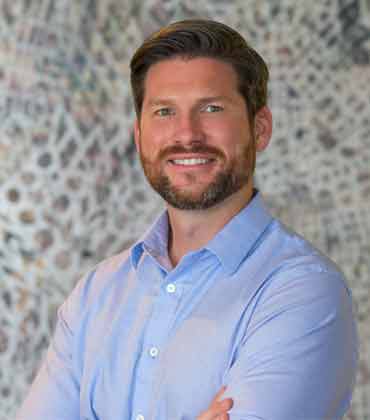
Some of the most promising industrial sites aren’t the obvious ones but properties with good fundamentals challenged by obstacles. Commercial Parks, a family office real estate investment firm, specializes in identifying and acquiring struggling, overlooked industrial and flex assets and transforming them into highly functional, aesthetically rich, in-demand properties. That reality was demonstrated in the development of a 10-acre parcel of land situated off a Las Vegas freeway. The land had a major drainage channel cutting directly through the middle of the site. Fixing it would cost more than a million dollars, a cost that had long limited the site’s development potential. With no next-generation interest in managing or developing the property, the long-time owner, now in his nineties, sought a fair transaction. Commercial Parks stepped in with patient capital and conviction to solve this problem. Despite the complexities uncovered during civil due diligence, it closed the transaction. Over time, the seller watched as the company developed the land into Sunset Industrial Park, a 179,000-square-foot Class-A industrial project. The success of Sunset Industrial Park had a positive spillover effect. The development enhanced the visibility and value of a neighboring retail strip center owned by the seller by increasing employment, traffic, and economic activity. It provided a meaningful financial legacy for the seller’s children. “We look for assets with good bones, but are faced with issues like poor management and maintenance. That’s where we step in and acquire it below market valuation,” says Josh Khalili, vice president – acquisitions and development.
CXO INSIGHTS

Leading by Example Leads to Property Management Success
Abby Hesman, Vice President of Property Management, Picerne Real Estate Group
Revolutionizing Rental Housing: Exploring the Opportunities and Challenges of Build-to-Rent Communities
Brian Oates, Executive Managing Director of Development, RangeWater Real Estate
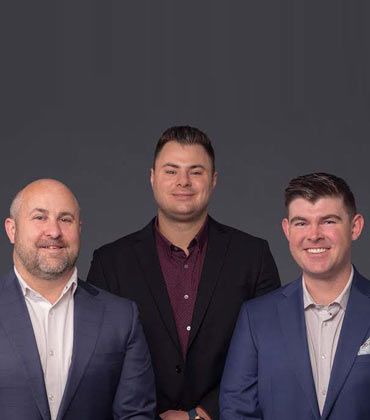
Unraveling the Dynamics of Commercial Real Estate: Navigating a Changing Landscape
Dylan Sproul, Senior Vice President, Transwestern

Crafting Exceptional Residential Environments
Desmond Shotwell, National Director of Renovations, AMLI Residential
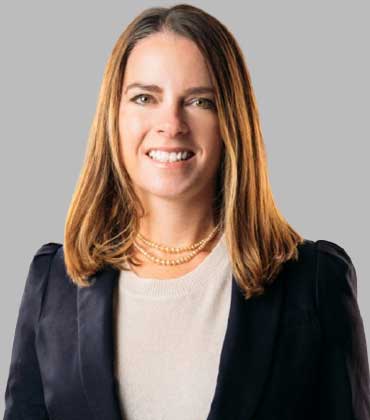
The Architecture of Attainability
Lisa Vilhauer, VP Design and Entitlement, ArtHaus Partners


IN FOCUS

Performance-Driven Property Management: Enhancing Value and Experience
Property management services enhance asset performance through operations, stakeholder coordination, sustainability initiatives, and technology-driven strategies supporting long-term real estate value.

Real Estate Investment Firms: Meeting Market Demands through Strategy and Technology
Real estate investment firms grow through urbanization, technology adoption, and diversified assets while navigating market cycles, regulation, and sustainability to meet investor demand and economic needs.
EDITORIAL
Discipline, Execution, and the Future of U.S. Real Estate
The U.S. real estate market is navigating a period defined less by expansion and more by precision. Across industrial, flex, and residential segments, performance is increasingly tied to disciplined acquisition, structured operations, and measurable tenant outcomes. As capital becomes more selective and tenants more discerning, success depends on execution at every stage of the property lifecycle. This edition of Real Estate Business Review examines the strategic responses shaping today’s market—from investment repositioning to operational oversight and tenant engagement. Together, these perspectives reflect a broader industry shift toward accountability, structure, and long-term value creation.
Leading this conversation is Commercial Parks, recognized as the Top Real Estate Investment Firm 2026. The firm’s basis-driven acquisition model focuses on under-managed industrial and flex assets acquired below market valuation and repositioned through targeted capital investment. By resolving compliance challenges, modernizing properties, and accelerating leasing activity, Commercial Parks demonstrates how disciplined capital deployment can unlock performance in overlooked assets.
In this edition, we also feature Legacy Property Management, awarded Top Property Management Services 2026. Serving primarily small-portfolio owners, Legacy brings structure to tenant placement, regulatory compliance, pricing discipline, and preventative maintenance. Through defined processes and risk mitigation programs, the firm reinforces how operational consistency protects asset value and stabilizes income, particularly in a market where execution gaps can quickly erode returns.
The edition also provides insights from Shari Barnes, Property Manager at Boston Properties. Overseeing 500,000 square feet of office space, Barnes emphasizes engagement, communication, and decisive problem-solving as cornerstones of tenant retention.
Collectively, these leaders illustrate a unifying theme— real estate performance today is built on discipline. We invite readers to explore the strategies and insights presented in this issue and consider how structured execution will define the next chapter of U.S. real estate.
